
Complete Shopify SEO, AEO, and GEO checklist
This checklist covers all three in sequence — 60+ items organised by layer and prioritised by impact. Work through them in order: technical SEO first, on-page next, then AEO, then GEO.
How to use this checklist
Most Shopify SEO checklists cover the same thirty items every other guide covers. This one is different in two ways: it covers all three visibility layers — SEO, AEO, and GEO — and every item is marked HIGH, MED, or LOW so you know exactly what to fix first without needing to make that judgment call yourself.
Platform context: all items apply to Shopify and Shopify Plus unless noted. Where WooCommerce applies the same principle, it's flagged. The checklists map to the ThinkLab Visibility Stack framework. For the full strategic context behind why each layer matters, read SEO vs AEO vs GEO and The Future of E-Commerce Visibility.
1Shopify Technical SEO Checklist
27 items⌄
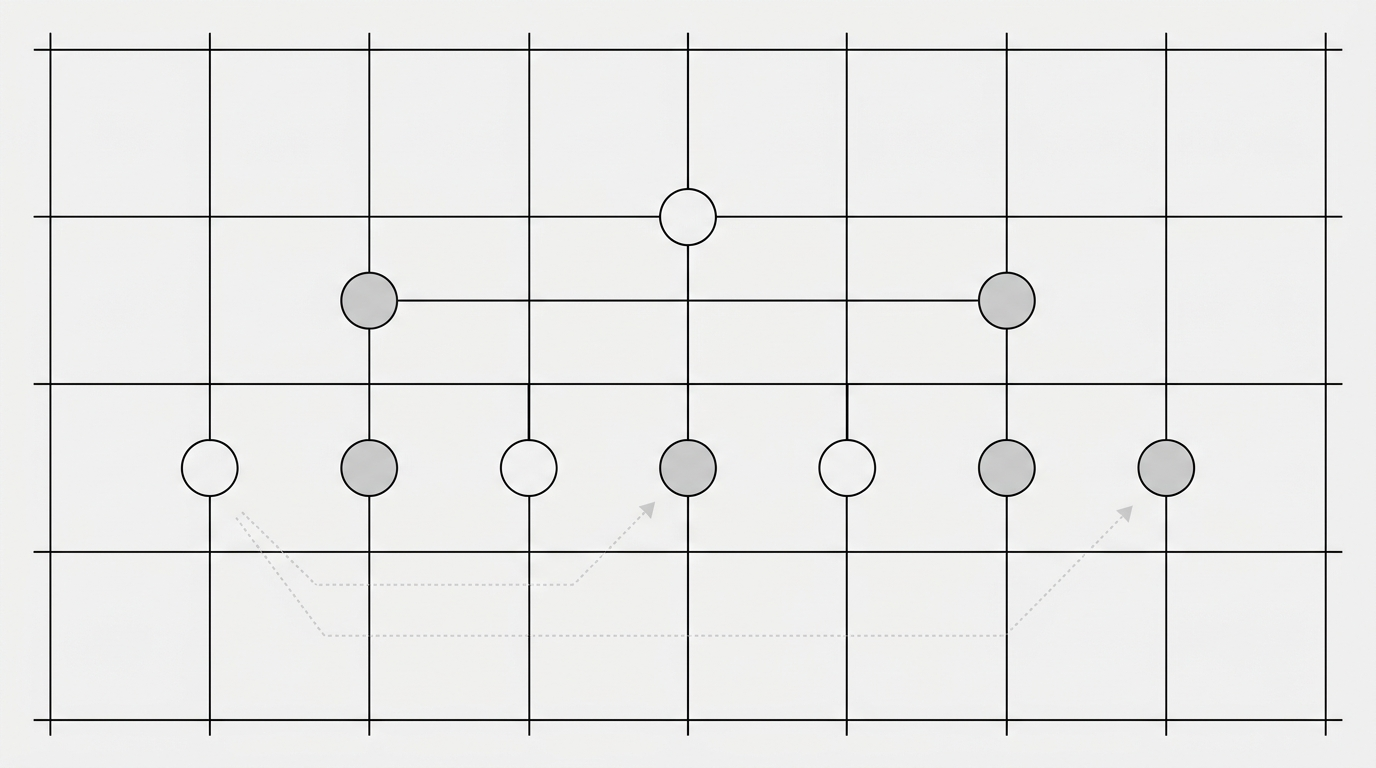
Shopify's URL structure and the duplicate content problem every store needs to resolve at the technical SEO layer.
Technical SEO is the foundation. Every other layer — AEO, GEO — depends on a crawlable, fast, well-structured site. Fix these before investing time anywhere else.
1A — Crawl & Indexation
1B — Site Speed & Core Web Vitals
1C — Structured Data / Schema
2Shopify On-Page SEO Checklist
24 items⌄
Shopify product page anatomy — which elements carry SEO, AEO, and GEO signals and where they sit on the page.
On-page SEO determines whether individual pages rank for their target queries. In Shopify, this splits into product pages, collection pages, and blog content.
2A — Product Pages
2B — Collection (Category) Pages
2C — Blog / Content Pages
3Shopify AEO (Answer Engine Optimisation) Checklist
21 items⌄
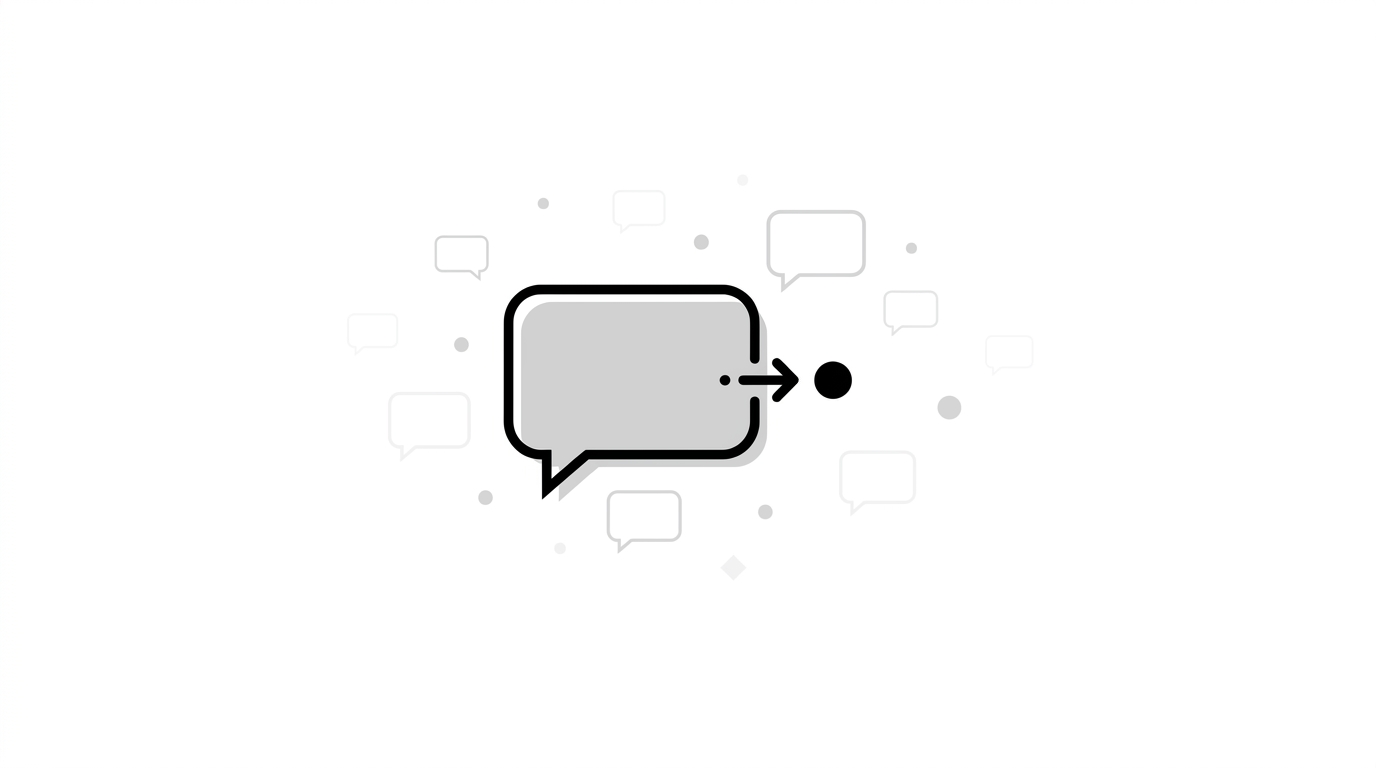
Answer-first content structure vs buried-answer structure — AI Overviews only extract what appears in the first clear, relevant passage.
AEO determines whether your Shopify content gets extracted as a direct answer in Google AI Overviews, Featured Snippets, and voice results. These items extend the SEO checklist — don't treat them as a replacement for it.
"AEO is not about writing shorter content. It's about making the answer findable in the first two sentences of every section that has one."
ThinkLab — The ThinkLab Visibility Stack Framework, 20263A — Content Structure for Extraction
3B — Schema for AEO
3C — AEO Content Audit
4Shopify GEO (Generative Engine Optimisation) Checklist
26 items⌄
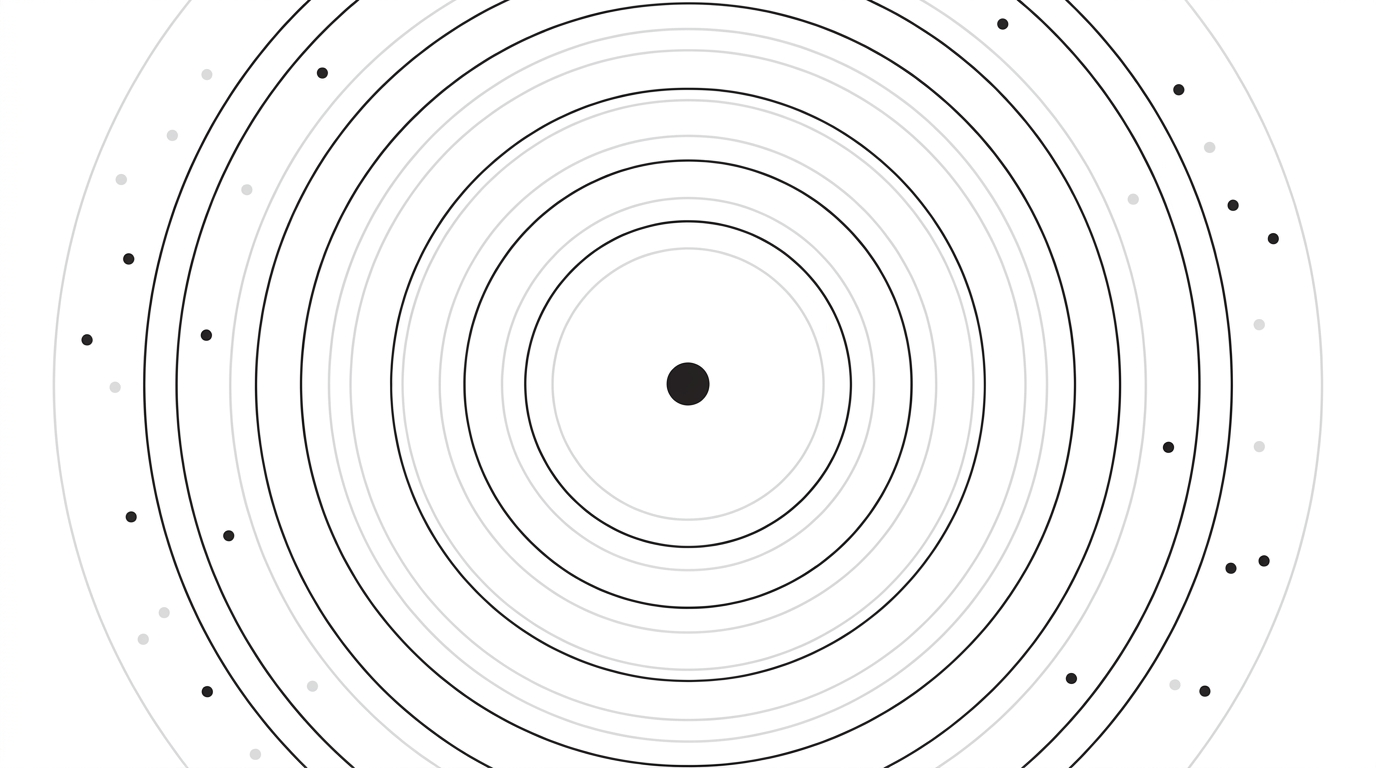
GEO trust signal pyramid for Shopify stores — build from the base up, each layer compounds the one beneath it.
GEO determines whether your Shopify brand gets named and recommended by AI systems like ChatGPT, Gemini, and Perplexity. Unlike SEO and AEO, GEO operates at the brand level — it's about building the independent authority that AI systems can verify.
"AI recommendation systems don't just retrieve well-formatted pages. They recommend brands they have independent evidence to trust."
ThinkLab — The ThinkLab Visibility Stack Framework, 20264A — Reviews and Social Proof
4B — E-E-A-T and Trust Signals
4C — Original Research and Brand Authority
4D — AI Presence Monitoring
Implementation roadmap: what to do first
The checklist above has 60+ items. No store completes them all at once. This roadmap sequences them by stage so you know exactly what to prioritise at each point in your store's growth.
Priority: everything marked HIGH in Checklist 1A. Fix canonical tags, submit your sitemap, verify Search Console coverage, and implement Product + AggregateRating schema on your top 20 products. These are blockers — nothing else compounds until they're resolved. Technical SEO for E-Commerce Stores
Rewrite product descriptions on your top 20 SKUs (original, benefit-led), add FAQ sections with FAQPage schema, and fix meta titles and descriptions across all collection pages.
Systematise review collection, add author bylines to buying guide content, publish your first buying guide or comparison page, and audit your top 10 queries in Google AI Overviews.
Commission original research, pursue at least two earned media placements, set up AI citation monitoring, and establish a quarterly review of AI recommendation frequency. AI Search Optimization Guide
Implementation roadmap by time horizon — technical SEO first, then on-page and AEO, then E-E-A-T, then full GEO investment.
Frequently asked questions
Does Shopify have built-in SEO?+
Shopify includes basic SEO defaults: auto-generated sitemaps, canonical tags on product pages, and mobile-responsive themes. However, these defaults do not cover structured data (schema markup), AEO-optimised content structure, or GEO signals. A serious Shopify SEO strategy requires work beyond the platform defaults, particularly for product schema, FAQ sections, and site speed optimisation.
What is the most important SEO fix for a new Shopify store?+
The single most impactful fix for a new Shopify store is resolving the duplicate content issue from products appearing at both /products/[slug] and /collections/[collection]/products/[slug]. Set canonical tags pointing to the /products/ URL as the authoritative version. Without this fix, you are splitting ranking signals across two URLs for every product.
What schema markup does Shopify support?+
Shopify themes typically include basic Product schema out of the box, but it is often incomplete (missing availability, rating, or offer data). You should validate and extend this using JSON-LD added to your theme.liquid, or use an SEO app. The most important schema types for Shopify stores are: Product, AggregateRating, FAQPage, Article, and BreadcrumbList.
How do I optimise my Shopify store for Google AI Overviews?+
To be included in Google AI Overviews (AEO): add FAQ sections to your product and buying guide pages with questions that mirror real buyer language; implement FAQPage schema; ensure each section of content leads with the direct answer rather than building to it; and use HowTo schema on step-by-step content. AI Overviews extract the clearest, most concise answer first — not the most comprehensive page.
How do I get my Shopify store recommended by ChatGPT or Gemini?+
AI recommendation systems (GEO) require: 100+ genuine verified reviews on-site and on third-party platforms; earned media coverage from independent publications; original product research or first-party data that exists nowhere else; and a consistent brand presence across review platforms, social channels, and your own site. There is no shortcut — GEO is built on real brand authority, not page optimisation.
Should I use an SEO app on Shopify?+
A Shopify SEO app can help with bulk meta tag editing, broken link detection, and schema generation — but it cannot replace the strategic work of creating original content, building E-E-A-T signals, or earning media coverage. The most common mistake is installing an SEO app and treating it as a complete solution. Treat it as a tool that accelerates execution of a strategy you've already defined.
How long does Shopify SEO take to show results?+
Technical SEO fixes (canonical tags, schema, crawl issues) typically surface in Google Search Console within 2–4 weeks of being crawled. Ranking improvements from new or rewritten content typically take 3–6 months. AEO results (AI Overview inclusion) can appear faster — sometimes within weeks of adding FAQ schema to a well-ranked page. GEO results from brand authority building typically take 6–18 months to produce reliable AI citation frequency.
Conclusion: a complete Shopify visibility system
Most Shopify SEO checklists stop at the first layer. This one covers all three because all three are now necessary: SEO gets your products found in classic search, AEO gets your content extracted when AI answers questions, and GEO gets your brand named when AI makes recommendations. Skip any layer and you leave a discoverable gap that competitors will eventually fill.
Work through the checklist in sequence. Fix the HIGH items first, build the MED items over your first 90 days, and invest in LOW and GEO items as your store matures. Every item compounds the others.
For the full strategic framework behind these three layers, read SEO vs AEO vs GEO. For the broader five-layer visibility stack including Semantic SEO and E-E-A-T, read The Future of E-Commerce Visibility.
Want a personalised audit of your Shopify visibility stack?
ThinkLab reviews your store against the complete SEO, AEO, and GEO checklist and delivers a prioritised action plan.
Get in touch